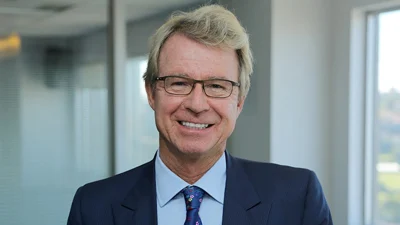
Pendal Group starts trading on ASX



Pendal Group, formerly known as BT Investment Management (BTIM), has unveiled its new brand and will start trading on the Australian Securities Exchange (ASX) under the updated ticker PDL.
At a general meeting on 27 April, BTIM’s shareholders voted to approve the change of company name to Pendal Group.
Following this, BTIM would change the names of its funds and the names of the responsible entities of these funds, the company said.
Pendal Group’s chief executive, Emilio Gonzalez, said the firm had developed from a domestically focused, equities-only fund manager to a global asset manager, which required a new brand name.

“When BTIM floated on the ASX in 2007, it was a company with an impressive pedigree. But, more importantly, it was a company with a vision for its future,” he said.
“The execution of this vision has seen us develop from a domestically focused, equities-only fund manager, to a truly global asset manager. It is a reputation which the board, management, and shareholders agree now requires a brand name and identity that belongs to the business.”
Gonzalez said the new name came from the reverse of Dal(gety) and Pen(sion) to form Pendal, being BT’s original nominee firm, which was established in 1971 to hold assets on behalf of its potential client Dalgety.
Two of Pendal’s funds, the Pendal Wholesale Global Emerging Markets Opportunities Fund and Pendal Wholesale Ethical Share Fund, have been nominated in their respective categories for the Money Management/Lonsec Fund Manager of the Year this year.
AUTHOR

Oksana Patron
Recommended for you
Natixis Investment Managers has hired a distribution director to specifically focus on the firm’s work with research firms and consultants.


The use of total portfolio approaches by asset allocators is putting pressure on fund managers with outperformance being “no longer sufficient” when it comes to fund development.


With evergreen funds being used by financial advisers for their liquidity benefits, Harbourvest is forecasting they are set to grow by around 20 per cent a year to surpass US$1 trillion by 2029.


Total monthly ETF inflows declined by 28 per cent from highs in November with Vanguard’s $21bn Australian Shares ETF faring worst in outflows.